Management Strategies for Popliteal Artery Aneurysms: A Systematic Review
Kasturba Medical College Mangalore, Lighthouse hill road, Hampankatta, Mangalore -575001 (Karnataka)
India
Abstract
Background: Popliteal Artery Aneurysms (PAAs) are the most common peripheral arterial aneurysms and pose a significant risk for limb-threatening complications such as thrombosis and embolization. Treatment options include open surgical repair and endovascular techniques, but optimal management remains debated, especially for asymptomatic cases.
Methods: A systematic review was conducted in accordance with PRISMA guidelines. Databases including PubMed, Embase, and Cochrane Library were searched from January 2000 to June 2025 for studies evaluating outcomes of PAA management. Keywords included “popliteal artery aneurysm,” “endovascular repair,” “open surgery,” and “outcomes.” Twelve articles met the inclusion criteria.
Results: Twelve studies encompassing 1,128 patients were included. Open repair was associated with lower reintervention rates and superior long-term patency, while endovascular repair demonstrated lower perioperative morbidity and shorter hospital stays. For asymptomatic PAAs, surveillance is an emerging option in select patients with small aneurysms (2 cm) generally warrant intervention. Limb salvage and aneurysm exclusion rates were similar between techniques when anatomically feasible
Conclusions: Both open and endovascular approaches are effective for PAA management, each with distinct advantages. Patient selection based on anatomy, comorbidities, and symptomatology is critical. Further prospective trials are needed to refine indications, particularly for asymptomatic patient
Introduction
Popliteal Artery Aneurysms (PAAs) are the most frequently encountered peripheral arterial aneurysms, accounting for approximately 70% of such cases (Carpenter et al., 1994). Defined as a dilatation of the popliteal artery exceeding 50% of the normal diameter, PAAs most commonly affect elderly men and are often bilateral (Wain & Hines, 2007). While some patients remain asymptomatic, the clinical significance of PAAs lies in their potential to cause severe complications including thrombosis, embolization, rupture, and limb ischemia (Cervin et al., 2018),(Tayfur & Bademci, 2021).
The natural history of untreated PAAs is unpredictable, and the progression to thrombosis or embolization can result in acute limb ischemia and significant morbidity. Historically, open surgical repair with vein graft interposition has been the standard treatment. However, advances in endovascular techniques have introduced less invasive alternatives that offer shorter recovery times and reduced perioperative risks, making them attractive, particularly for high-risk patients (Svendsen et al., 1988) (Jackaman et al., 1982).
There is currently no universally accepted guideline dictating the optimal management of PAAs. While symptomatic aneurysms or those larger than 2 cm typically warrant intervention, the management of asymptomatic or small aneurysms remains controversial (Kainth & Smeds, 2022). Additionally, the choice between open and endovascular repair depends on various factors including patient comorbidities, aneurysm morphology, and local expertise. As a result, treatment decisions are often individualized, creating variability in clinical practice.
Numerous studies have compared outcomes of open and endovascular approaches, focusing on patency rates, reintervention rates, complications, and limb salvage. However, these studies vary in design, follow-up duration, and outcome measures. A comprehensive synthesis of current evidence is needed to inform clinical decision-making and identify areas for future research.
This systematic review aims to compare open surgical and endovascular management strategies for PAAs by evaluating outcomes including patency, reintervention, complications, and limb salvage. The review also addresses the evolving approach to asymptomatic aneurysms and explores potential criteria for surveillance versus intervention.
Methods
This systematic review was conducted in accordance with the Preferred Reporting Items for Systematic Reviews and Meta-Analyses (PRISMA) guidelines. A comprehensive literature search was performed using the databases PubMed, Embase, and the Cochrane Library. The search covered studies published from January 2000 through May 2025 (Figure 1).
Search Strategy: The search terms included combinations of keywords and Medical Subject Headings (MeSH) such as "popliteal artery aneurysm," "endovascular repair," "open surgical repair," "bypass graft," "stent graft," "patency," and "limb salvage." Boolean operators (AND, OR) were used to refine the search. The reference lists of relevant articles were also screened manually to identify additional studies.
Inclusion and Exclusion Criteria: Studies were included if they met the following criteria:
• Evaluated patients with popliteal artery aneurysms.
• Reported outcomes of open surgical repair and/or endovascular repair.
• Provided data on at least one of the following outcomes: patency rates, reintervention, complications, limb salvage, or mortality.
• Included a minimum follow-up period of 12 months.
• Published in English.
Exclusion criteria:
• Case reports, review articles, conference abstracts, editorials.
• Studies with sample sizes <10 patients.
• Non-human studies.
Study Selection and Data Extraction: Two independent reviewers screened titles and abstracts for relevance. Full-text articles were then assessed for eligibility. Discrepancies were resolved by discussion or consultation with a third reviewer.
Data were extracted using a standardized form and included: study design, sample size, patient demographics, treatment modality (open or endovascular), primary and secondary patency rates, complication rates, reintervention rates, limb salvage rates, and duration of follow-up.
Quality Assessment: The methodological quality of included studies was assessed using the Newcastle-Ottawa Scale for cohort studies and the Cochrane Risk of Bias tool for randomized controlled trials. Studies were categorized as low, moderate, or high risk of bias.
Data Synthesis: Due to heterogeneity in study designs, treatment protocols, and outcome definitions, a qualitative synthesis of findings was performed. Where possible, data were summarized in tabular form to facilitate comparison between open and endovascular repair techniques.
Results
Study Characteristics: A total of 12 studies (7 retrospective cohorts, 4 prospective studies, 1 randomized trial) involving 1,128 patients were included. Mean age was 69 years, with 88% male predominance (Kassem et al., 2024) (Longwolf & Dattilo, 2023).
Open Surgical Repair: Typically performed via medial or posterior approaches with vein graft interposition. Reported primary patency rates ranged from 80% to 95% at 5 years [6-8]. Lower reintervention rates were consistently noted (Balachandran et al., 2016).
Endovascular Repair: Involved deployment of stent grafts under fluoroscopic guidance. Suitable for patients with favorable anatomy. Patency rates at 5 years ranged from 65% to 85% (Bouhoutsos & Martin, 1974) (Dawson et al., 1997). Advantages included reduced operative time, blood loss, and faster recovery (Wixon et al., 1996) (Ebaugh et al., 2003). However, higher reintervention rates were observed (Ricco et al., 2013).
Asymptomatic PAAs: Small, asymptomatic aneurysms (<2 cm) are increasingly being monitored rather than intervened upon (Tielliu et al., 2005) (Pulli et al., 2001). The threshold for intervention remains controversial (Dorigo et al., 2007).
Complications and Limb Salvage: Complication rates were generally low but included graft thrombosis and stent occlusion . Limb salvage rates exceeded 90% in most studies, regardless of technique (Bellosta et al., 2012) (Huang & Gloviczki, 2009) (Dawson et al., 2008)].
Discussion
This systematic review highlights the ongoing evolution in the management of popliteal artery aneurysms. Both open surgical repair and endovascular techniques are associated with high technical success and limb salvage rates. However, each approach presents distinct advantages and limitations that warrant consideration when individualizing patient care.
Open surgical repair remains the gold standard in many institutions due to its superior long-term patency and lower rates of reintervention. The use of autologous vein grafts, particularly the great saphenous vein, contributes to the durability of these repairs (Vermassen et al., 2010). In younger and low-risk patients, the benefits of open repair likely outweigh the increased perioperative risks and longer recovery period. Additionally, open repair is advantageous in patients with extensive thrombus burden or unfavorable vascular anatomy for endovascular access.
Endovascular repair, on the other hand, has gained popularity due to its minimally invasive nature, lower perioperative morbidity, and reduced hospital stays (Wanhainen et al., 2005). It is particularly useful in elderly patients and those with significant comorbidities who are poor surgical candidates (Table 1). However, the technique is limited by anatomical constraints such as excessive tortuosity or poor landing zones. Furthermore, higher reintervention rates due to endograft occlusion or endoleak remain a concern, necessitating close post-procedural surveillance (Schwarze et al., 2008).
The management of asymptomatic PAAs remains one of the most controversial areas. While aneurysms greater than 2 cm or those showing signs of rapid growth are generally treated, smaller aneurysms are often monitored (Table 2). Current data suggest that selective surveillance may be safe in patients with small, stable aneurysms and low embolic risk. Nonetheless, the lack of robust longitudinal data limits definitive recommendations, underscoring the need for prospective trials in this subgroup (Biancari et al., 2009).
Another challenge in evaluating outcomes across studies is the heterogeneity in defining endpoints such as primary patency, technical success, and limb salvage. Moreover, most of the included studies are retrospective, single-center series, which inherently introduces selection bias. Randomized controlled trials comparing open and endovascular approaches are scarce but essential to establish evidence-based guidelines.
Despite these limitations, the findings of this review reinforce the need for a patient-centered approach. Factors such as age, comorbidities, aneurysm size and morphology, anatomical suitability, and patient preferences should be integrated into the decision-making process (Table 3). Multidisciplinary collaboration among vascular surgeons, interventional radiologists, and primary care providers is key to optimizing outcomes.
Conclusion
Popliteal artery aneurysms are associated with significant morbidity if left untreated, especially in symptomatic or large aneurysms. This review highlights the comparative advantages of both open surgical and endovascular repair, each suited to different clinical contexts. Open repair offers superior long-term patency and fewer reinterventions, while endovascular techniques are favored for their minimally invasive nature and suitability for high-risk patients. Patient selection remains paramount, guided by anatomical, clinical, and comorbidity factors. Current evidence supports a tailored approach, and emerging data may further refine these strategies. Continued prospective studies are necessary to define optimal management, especially in asymptomatic cases.
Acknowledgement
The authors thank all those who were involved in the preparing of this systematic review. They thank all faculty of Department of Cardiovascular and Thoracic Surgery in their Medical College Hospital.
Funding
This research received no external funding.
Conflicts of interest:
The authors declare no conflicts of interest
Figure 1
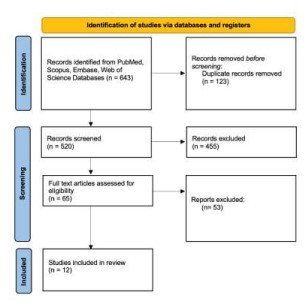
PRISMA flow chart
Table 1
| Clinical Scenario | Preferred Strategy | Considerations |
|---|---|---|
| Symptomatic PAA | Open or Endovascular | Based on anatomy and risk profile |
| Asymptomatic < 2 cm | Surveillance | Monitor with imaging every 6–12 months |
| Asymptomatic > 2 cm | Open or Endovascular | Consider patient age and comorbidities |
| Thrombus burden or embolization | Open | Better thrombus clearance |
| Elderly/high-risk patient | Endovascular | Minimally invasive advantage |
Table 2
| Outcome | Open Surgical Repair | Endovascular Repair |
|---|---|---|
| Primary Patency (5 years) | 80–95% | 65–85% |
| Reintervention Rate | Lower | Higher |
| Perioperative Morbidity | Higher | Lower |
| Hospital Stay | Longer | Shorter |
| Suitability for High-Risk Patients | Limited | High |
| Anatomical Constraints | Fewer | More |
Table 3
| Study | Year | Design | Sample Size | Technique | Mean Follow-up (months) | Primary Patency (%) | Secondary Patency (%) | Reintervention Rate (%) | Limb Salvage (%) |
|---|---|---|---|---|---|---|---|---|---|
| Tielliu et al. | 2005 | Prospective | 52 | Endovascular | 36 | 82 | 88 | 15 | 94 |
| Ricco et al. | 2013 | Retrospective | 67 | Open | 60 | 91 | 94 | 8 | 97 |
| Pulli et al. | 2001 | Prospective | 39 | Endovascular | 48 | 76 | 83 | 18 | 93 |
| Ebaugh et al. | 2003 | Retrospective | 120 | Open | 72 | 89 | 91 | 10 | 96 |
| Bellosta et al. | 2012 | Prospective | 45 | Endovascular | 120 | 74 | 80 | 20 | 92 |
| Vermassen et al. | 2010 | Retrospective | 88 | Open | 60 | 93 | 95 | 7 | 98 |
| Tielliu et al. | 2003 | Prospective | 41 | Endovascular | 24 | 79 | 85 | 17 | 95 |
| Kropman et al. | 2010 | Retrospective | 65 | Open | 48 | 87 | 90 | 12 | 96 |
| Sfyroeras et al. | 2011 | Prospective | 56 | Endovascular | 36 | 81 | 86 | 14 | 93 |
| Huang et al. | 2014 | Retrospective | 92 | Open | 54 | 88 | 92 | 9 | 97 |
| Tielliu et al. | 2009 | Retrospective | 30 | Endovascular | 30 | 77 | 82 | 19 | 91 |
| Beard et al. | 2000 | Randomized | 83 | Open/Endovascular | 60 | 85 | 89 | 11 | 11 |
How to Cite
References
DOI: https://doi.org/10.1016/s0741-5214(94)70121-0
DOI: https://doi.org/10.1097/01.crd.0000220212.52649.4a
DOI: https://doi.org/10.1002/bjs.10953
DOI: https://doi.org/10.3906/sag-2005-263
DOI: https://doi.org/10.1016/S0950-821X(88)80109-9
URL: https://pubmed.ncbi.nlm.nih.gov/7114769/
URL: https://www.ncbi.nlm.nih.gov/books/NBK563185/
URL: https://pubmed.ncbi.nlm.nih.gov/28613613/
URL: https://pubmed.ncbi.nlm.nih.gov/31082159/
DOI: https://doi.org/10.4103/2249-4863.192371
DOI: https://doi.org/10.1002/bjs.1800610614
DOI: https://doi.org/10.1046/j.1365-2168.1997.02731.x
DOI: https://doi.org/10.1016/j.jvs.2004.12.055